
En Primeur 2025: The Report
David Thomas, Bordeaux Index
30 April 2026
Each year, Bordeaux en primeur offers a moment of clarity and anticipation, a snapshot of a vintage still in its infancy, yet already revealing its direction of travel. It is a week where instinct meets analysis, as conversations in cellars and among the vines begin to shape a collective understanding of what the year has delivered. The 2025 vintage demands exactly this balance. On paper, the growing season posed significant challenges: heat, drought, and the ever-present influence of climatic extremes. And yet, drawing on a decade of experience adapting viticultural practices to the changing climate, what the winemakers have created in the glass is far more nuanced and, in many cases, thrilling. What follows is not simply a technical assessment of the vintage, but a reflection on a region that continues to evolve. Bordeaux today is more dynamic, more precise, and arguably more self-aware than at any point in its history. The 2025s capture this shift with remarkable clarity – wines which are poised, fresh with surprising complexity, shaped as much by human decision-making as by the growing season itself.
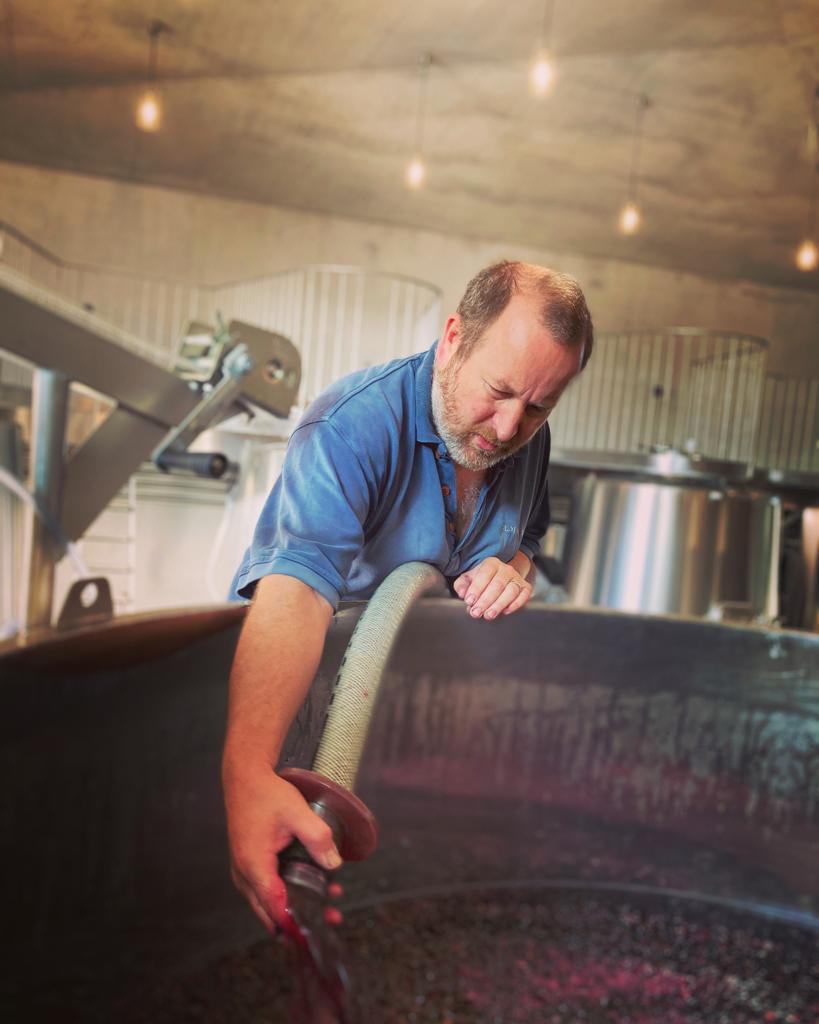
David Thomas, our Director of Wine and himself a winemaker, brings more than two decades of experience working closely with Bordeaux to his assessment of the 2025 vintage. Having spent over 30 years visiting the region, walking its vineyards, and engaging directly with many of its leading producers, relationships that have, over time, evolved into genuine friendships - his perspective is both deeply informed and uniquely personal. It is this combination of technical understanding, long-standing trust with the châteaux, and first-hand observation that underpins his reflections on the vintage, offering not just analysis, but context shaped by years of insight.
A Stylistic Evolution
I absolutely love the en primeur tasting week, seeing many old friends and faces, talking viticulture and oenology to a geek’s level with the producers and most importantly trying to understand the latest vintage, the constant discussions about annual weather patterns, rainfall, daily temperature ranges, fermentation techniques, pre or post fermentation maceration, sorting tables or optic machines, it would in all honesty bore most people, but it is what we love, what we do and why we work in wine.
You get the early impression that the châteaux know just how good these wines are this year. Obvious market conditions have left many cautious and apprehensive but there is a definite underlying confidence in the wines. Theyhave been a revelation, let’s say like 2016 in essence but with so much more elegance and grace, hidden power and structure but with masterful tannin management. The team and I have left most tastings with a real buzz of excitement and chatter how much we loved each and every tasting.
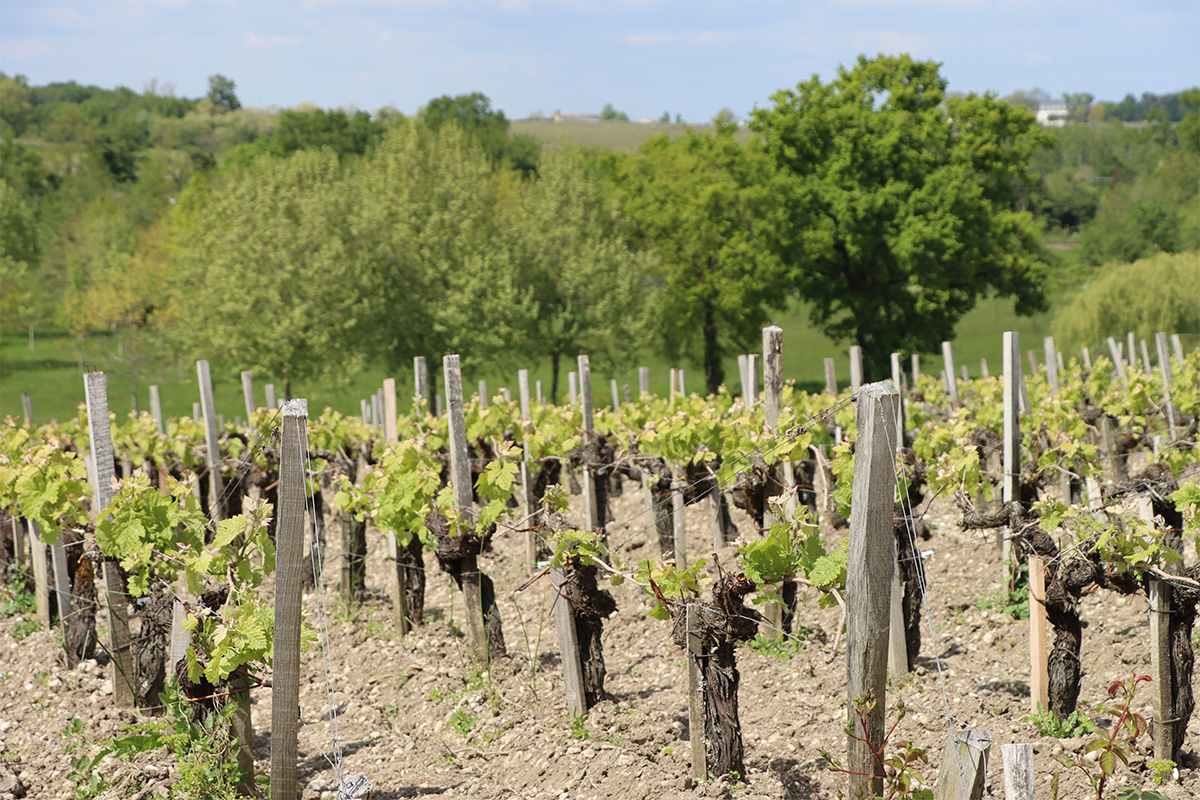
Stylistically, Bordeaux continues its evolution. Over the past decade, we’ve seen a marked shift driven by climate, improved viticultural understanding and changing consumer expectations. The result is a generation of wines that can be approached and appreciated in their youth, yet still retain the structure and balance required for long-term ageing. The 2025s sit firmly within this trajectory, refined, expressive and increasingly precise.
Even among the more measured voices from the châteaux, there is a quiet acknowledgement of what has been achieved: a vintage that, whilst forged under pressure in the vineyard, has translated into wines of remarkable composure and clarity in the glass.
At this point I wanted to pause slightly on the 2025 vintage and en primeur tastings and reflect on Bordeaux as a region within a global wine context. Let me be clear from the outset, Bordeaux is and has always been the single greatest wine region in the world in terms of the volume produced and the underlying quality of the wines, however one of the major issues Bordeaux is facing and in all honesty every wine region in the world is facing is that the quality of wine being made everywhere has improved beyond belief. Be it basic Cotes du Rhone, old vine Chenin from South Africa, Alvarinho from Northern Spain, Chardonnay from Margaret River – every single wine region around the world has upped its game – and unquestionably Bordeaux has matched these advances – THEY TRULY ARE MAKING BETTER WINE IN BORDEAUX TODAY THAN EVER – it is a simple fact, but often a forgotten fact.
Development and Global Pressures
Every single château in Bordeaux today has fined tuned their viticulture, their vineyard management, their canopy management, many have improved their wineries and cellars, their wine making technique, fermentation management, elevage management, bottling, corks…the list goes on and none of these changes are cheap to implement. As an example, the cost of a barrique has moved from Eur500 to closer to Eur1000 over the last few years, and no I’m not trying to make you feel sorry for the chateau, they manage these costs and choose to do so, as they are all proud and passionate farmers at heart and just want to produce the very best they can – but it's worth acknowledging the reality that the complexity of the wine production seemingly increases every year in terms of labour, equipment, process and cost.
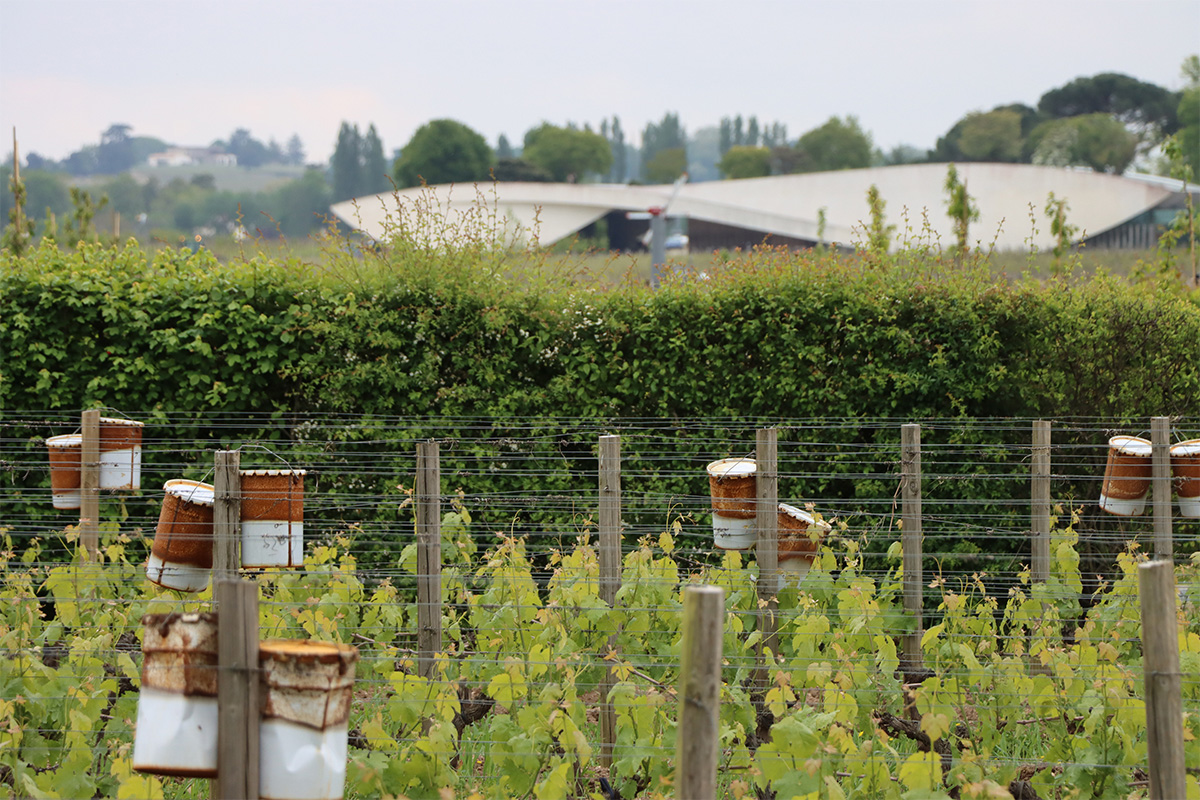
Many of these changes have been enforced due to the impact of global warming, and before you say it, I know Trump doesn’t believe in it, but it is happening, it is accelerating and it is making life extremely difficult and massively more labour intensive for every grower in Bordeaux. An example being, I have never seen so many frost candles in the vineyards around St Emilion and Pomerol than during this year’s en primeur week – why – because this year the vines are already 2-3 weeks ahead of last year, which is one of the earliest vintages on record, and they are panicked about frost reducing the yields for another year, another impact of global warming.
Global warming is also massively impacting canopy management and treatments during the year – again additional labour and material costs – spraying clay and zinc as sunscreen for the grapes, extra hours in the vineyards managing leaf removal and changing the canopy – reducing the height and shoot growth, thickening the side leaf coverage for great shade, but then you need to thin out the leaves so to allow greater air flow to prevent rot in the berries – and in every case this is an experiment that can only be conducted once a year, results taken over the vintage, analysed and perhaps fine-tuned for the following vintage, they are learning as they go to cope with these massive changes in the environment.
This was a theme echoed consistently by the growers themselves, many of whom spoke candidly about the balancing act required throughout the season:
“2025 started like a dream, without fungal pressure, without frost. The biggest challenge of the vintage lay in maintaining moisture at the root level and in protecting the leaves and fruits from very strong sun. We used plant-based organic matter to improve the vine’s resilience to drought, supplemented with treatments based on clay and zinc to prevent sunburn…”
It is a level of intervention that is both reactive and increasingly precise, and one that underpins much of what we are now seeing in the glass.
The 2025 Vintage
Freshness, acidity and low alcohols – some of the absolute fundamentals of the majority of the wines from the 2025 vintage – which given the extreme drought conditions and heat spikes across the ripening period seemed also unachievable, these can be explained by one simple element – H2O. And it is the famous soils and terroir of Bordeaux that allowed the vines to survive, not over stress and shut down, and continue to ripen the fruit to almost perfect levels of anthocyanins, acid and sugars – all required to create balance and freshness in wines.
Luckily for many growers it was a very wet winter and spring in Bordeaux, which allowed the soils, the clay, the limestone to drink at will and fully absorb a lot of water into the reserves – these reserves act as natural irrigation system across the region, and naturally some are better than others – the soils of Montrose, the limestone of St Emilion, the deep lying clay in Pauillac and Pomerol – and just to get a little geeky, ignore if you like, but taking a note from the brilliant book, Entangled Life, by the wonderful Merlin Shaldrake – it is in fact the network of mycelium under the soil which monitors and helps with the water allocations across the vineyards. If you have two vines growing next to each other and one is suffering from water stress and its neighbour is not, then the mycelium will dictate the water flow in the soil to the stressed vine and away from the content vine, keeping both in a happier state.
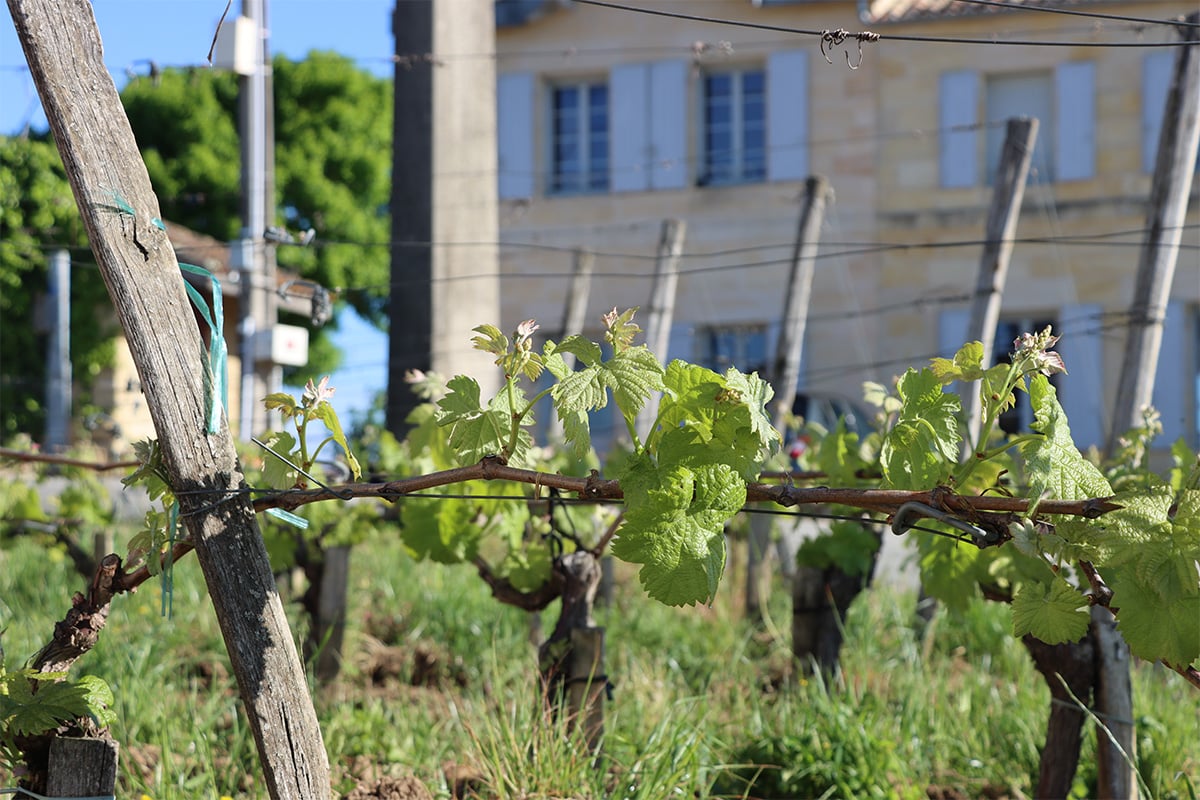
Therefore, although the conditions were extreme for many vines, resulting in much smaller berries than normal with thicker skins and less juice inside. The naturally increasing sugar levels slowed and paused as the wines became water stressed but most importantly never stopped due to this natural drip feeding of water from the reserves – hence the lower-than-expected alcohol levels. The remarkable acidity in the wines and with the late final rains towards the end of August, the freshness was restored into the wine – as happens so often, mother nature intervened.
All of this- the soils, the water reserves, the delicate balance of stress and prosperity, the increasingly sophisticated understanding of vineyard ecosystems - provides the framework for the vintage. It explains how, despite the climatic pressures, the wines have emerged with such composure and energy. But as ever in Bordeaux, the science only tells part of the story. The reality of en primeur is far more immediate, far more human. It is in the rhythm of the week itself, moving from château to château, glass to glass, conversation to conversation - that these technical elements translate into something tangible. Patterns begin to emerge, impressions sharpen, and the vintage moves from theory into the pure joy that is Bordeaux 2025.
Style Evolution
Bordeaux has changed - driven in part by the impact of global warming. Where once ripeness was only achieved in one or two vintages out of ten, it is now far more consistent, and excessive sugar is no longer required to reach balanced alcohol levels. At the same time, the châteaux themselves have evolved, responding both to shifting consumer preferences and a deeper understanding of what defines true quality. The result is a clear stylistic shift: away from power and extraction, and towards wines that prioritise balance, precision and drinkability - without sacrificing their ability to age.
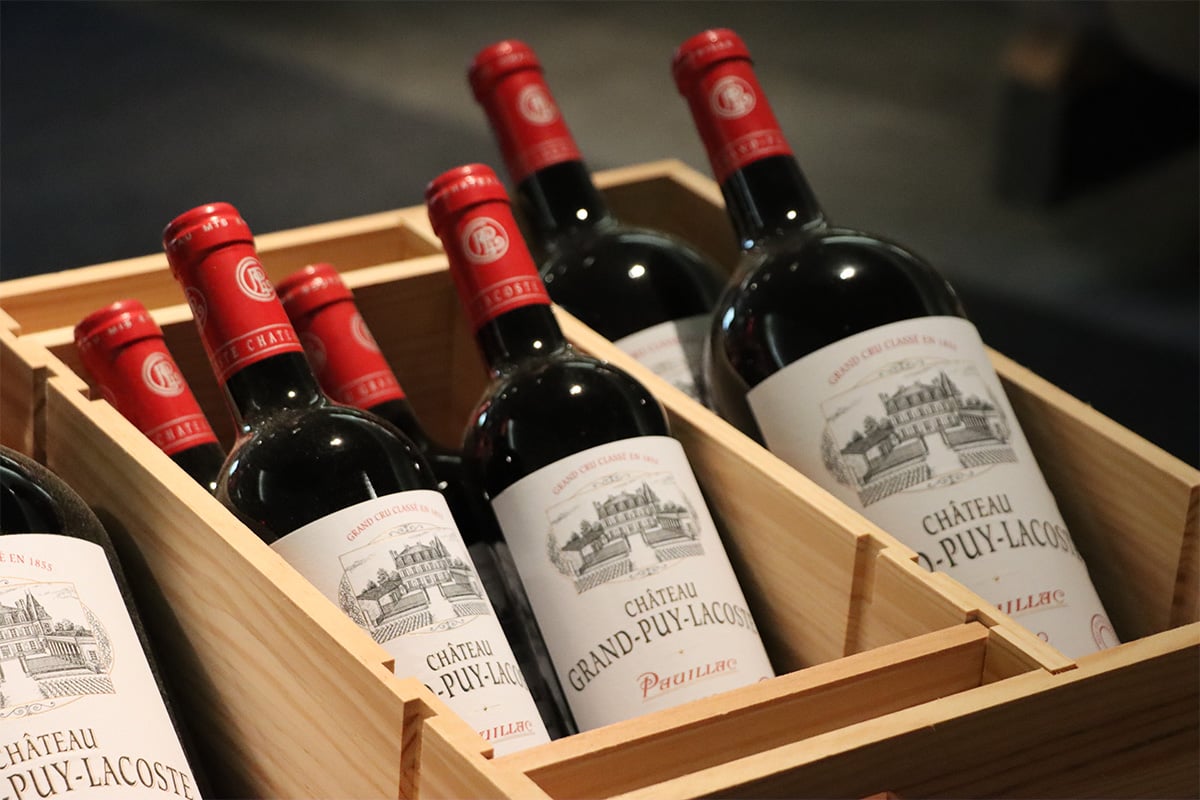
Historically richness, ripeness, excessive tannins and volume were all taken as the key indicators of great wines but today this has changed dramatically. More and more often tasting notes sing of poise, elegance, balance, approachability, purity, and salinity – consumer tastes have driven these changes and the château have reacted. Years of long pump-overs, complete rack and returns, hard pressing are gone – one of the most commonly used terms this en primeur week was ‘infusion’ – much lighter cap management, very light pump overs or cap wetting, submerged caps, extended macerations – all aiming to reduce extractions, maintain fruit purity, soften tannins, greater elegance and poise – basically making the wines so much more approachable in youth, but still with the core essence and balance to age gracefully – as I have said before – the wines of Bordeaux have never been better!!
As one leading estate noted when reflecting on the vintage and their approach in the cellar:
“The berries were very small; we had to vinify at controlled temperatures and very gently to preserve the elegance and brilliance… With moderate alcohol, the wines are balanced, and the tannins are silky and fresh.”
It is precisely this restraint - this willingness to do less, but with greater precision - that defines the modern Bordeaux aesthetic.
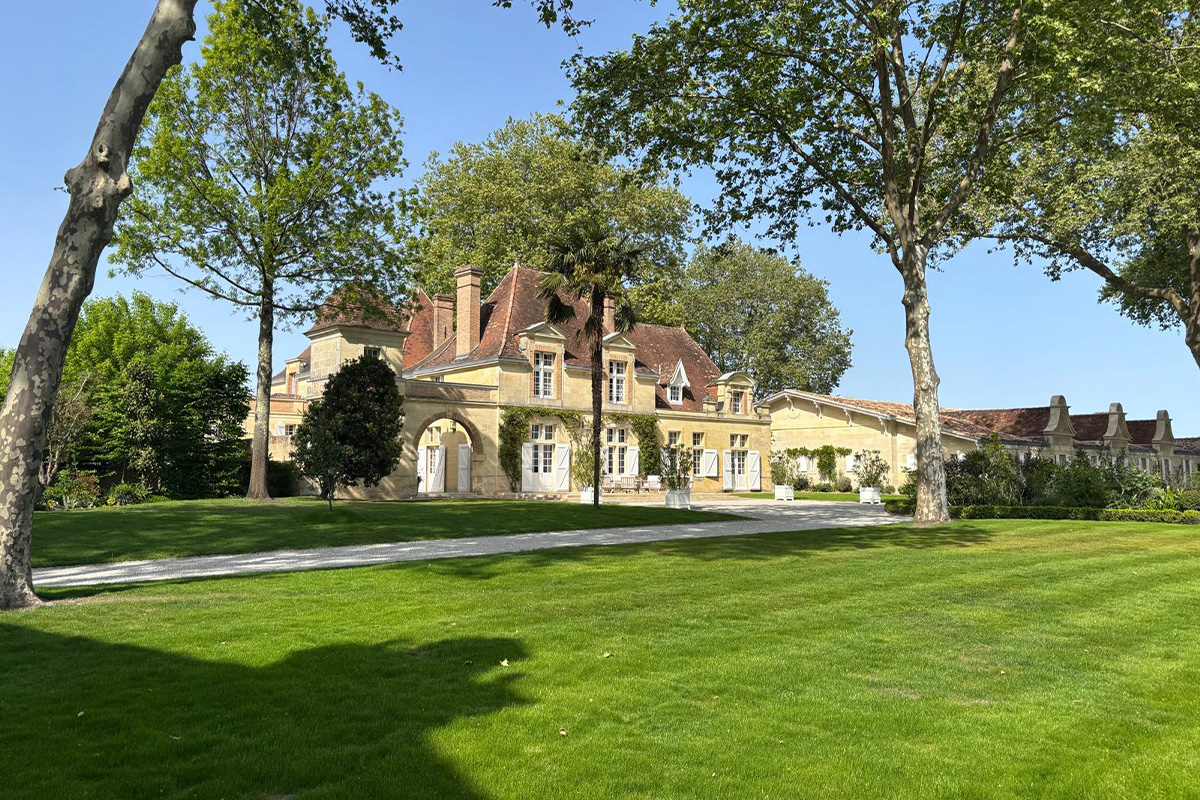
A little aside from the main thoughts on the 2025 vintage, as I thought it was important to address Lafleur - one of the world's greatest wine estates and more often than not a contender for wine of the vintage during the EP tasting week. They have removed themselves from the Pomerol appellation as they felt very strongly that irrigation was a necessity in recent vintages and the AOC do not allow such activity or what they would term ‘reckless behaviour’ amongst its members. The underlying basis of their outlandish behaviour is vine health and survival rather than increasing yields and subsequently diluting the end products. We spent some time with both Baptist and Omri at the estate and listened in silence as they very passionately and clearly explained the theory of watering the soil and not the vines, soil health was the target and linking this back to the work of the sub-surface network of mycelium mentioned earlier in the report, it's not rocket science to understand what they are trying to achieve. But it does lead to a much larger question and debate on the future of water in Bordeaux, it is without question going to one of the most important topics to be explored over the coming years. It was interesting that many châteaux requested the option to irrigate in 2025, but due to bureaucratic delays the request was not confirmed until the end of August to allow them to irrigate and by then it was too late.
Highlights from a “Quietly Confident” Vintage
A roll call of highlights inevitably begins at the very top, where Château Lafite Rothschild simply left us speechless, one of those wines that halts conversation entirely. Château Latour, as ever, sits slightly outside the immediate en primeur narrative given its release model, but make no mistake, it is monumental, a sleeping giant but you will not see for a decade or more. Château Margaux is extraordinary in its refinement and lift, whilst Château Palmer is, quite simply, Palmer, that unmistakable, hedonistic signature that needs little explanation to those who know. Over in Saint-Julien, Château Léoville Las Cases delivers exactly what you hope for and more, and Château Pichon Baron nothing short of exceptional, a masterclass in polish and intent. Château Montrose, meanwhile, makes a very strong case for being one of the smartest buys of the vintage, a wine of depth and authority that over-delivers on every level. Château Pontet-Canet perhaps steals hearts, however, with a wine of such harmony and purity that it feels almost effortless, beautifully composed and utterly compelling. Even beyond the first ranks, there is huge pleasure to be found, a best ever showing from Château Ormes de Pez, a brilliant Echo de Lynch-Bages, and across both banks an glut of riches, from the profound, almost electric depth of Château Lafleur and the charm and precision of Pensées de Lafleur, to the cashmere elegance of VCC and the kaleidoscopic sensuality of Château La Conseillante. Château L'Évangile shows a darker, silk cloaked power, whilst in Saint Émilion Château Troplong Mondot reaches new heights of precision and Château Canon delivers a beautifully judged, haute couture expression of the vintage. Add to this the impeccable work from the Durantou, Thienpont and Vauthier families, wines like Château L'Église-Clinet, Château Grand Village and even the more modest cuvées such as Château Alcée or Château Fonbel, and it becomes clear just how deep this vintage runs. I could go on, but the overriding feeling is simple, there are more wines here that genuinely compel you to buy than in almost any recent year. If you love red Bordeaux, this is not a vintage not to hesitate, it is a vintage to embrace.
The 2025 vintage may not shout for attention as a “monumental year”, but that rather misses the point. This is a beautifully “pretty” vintage in the best sense of the word, defined by detail, restraint and finesse. There is a quiet confidence in the wines, with freshness, purity of fruit and finely judged structure taking centre stage over power. They are precise, elegant and incredibly drinkable, yet with enough underlying balance to evolve gracefully. It is exactly the kind of vintage you want in your cellar, for sheer pleasure and consistency over time.
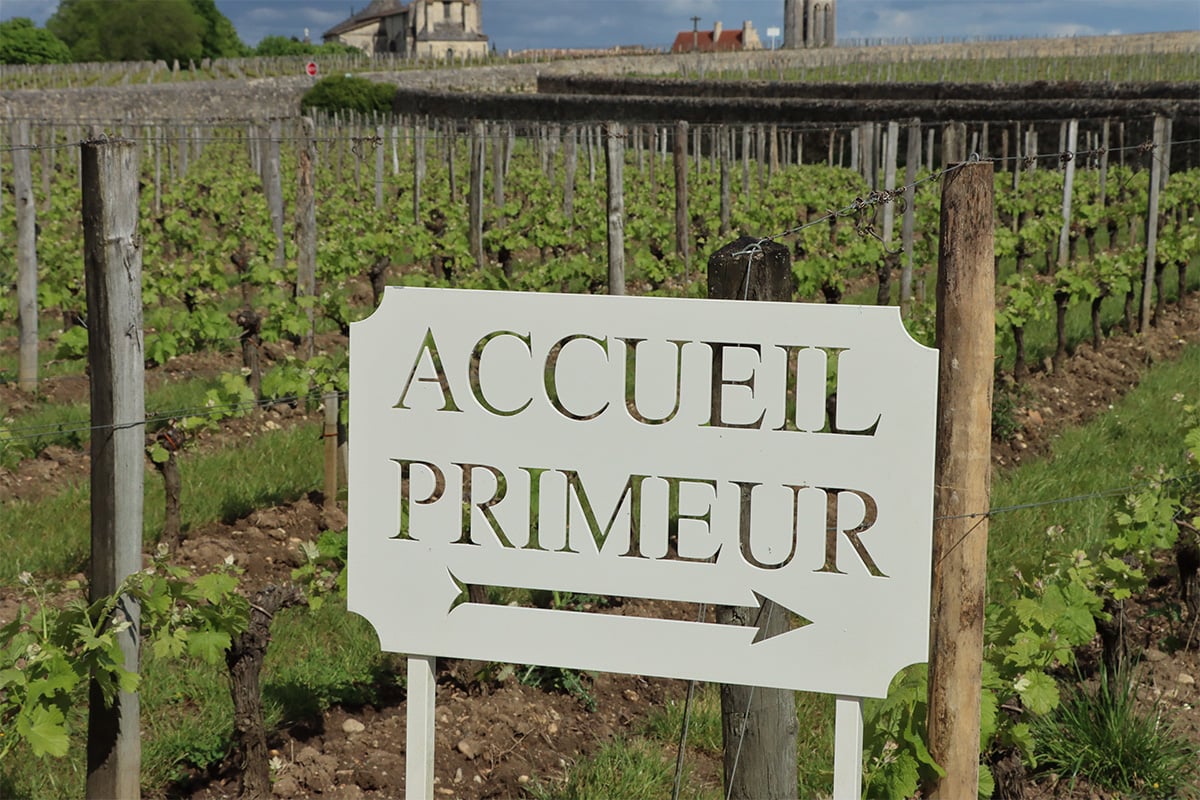
Another year and another week of tasting some of the greatest wines on earth, all for you our wonderful clients! I spent some time out in Bordeaux during the 2025 harvest as I like to see the vines and taste a few berries as the pickers are out in the vineyards to give a very early impression on the health of the vines and the flavour profile of the grapes and one of the most remarkable takeaways was the abundance of very green and healthy looking vines, very little indication of water stress and heat damage – yields were tiny and selection was massively important of the fruit coming in, but the quality of the berries was at many places was exceptional.
Returning a few months later for the en primeur week and sitting and tasting the wines it was so wonderful to be served glass after glass that had so much freshness, energy, poise, and approachability.
As ever one is aware Bordeaux has not had the easiest time over recent en primeur releases but despite that fact it still remains the greatest wine region in the world and the wines from 2025 hit some very extreme highs but ultimately they deliver wines that you just want to drink, and maybe more importantly wines that you will want to open and drink when young, as the freshness, energy and purity of fruit in many of the wines made them approachable even at just a few months old.
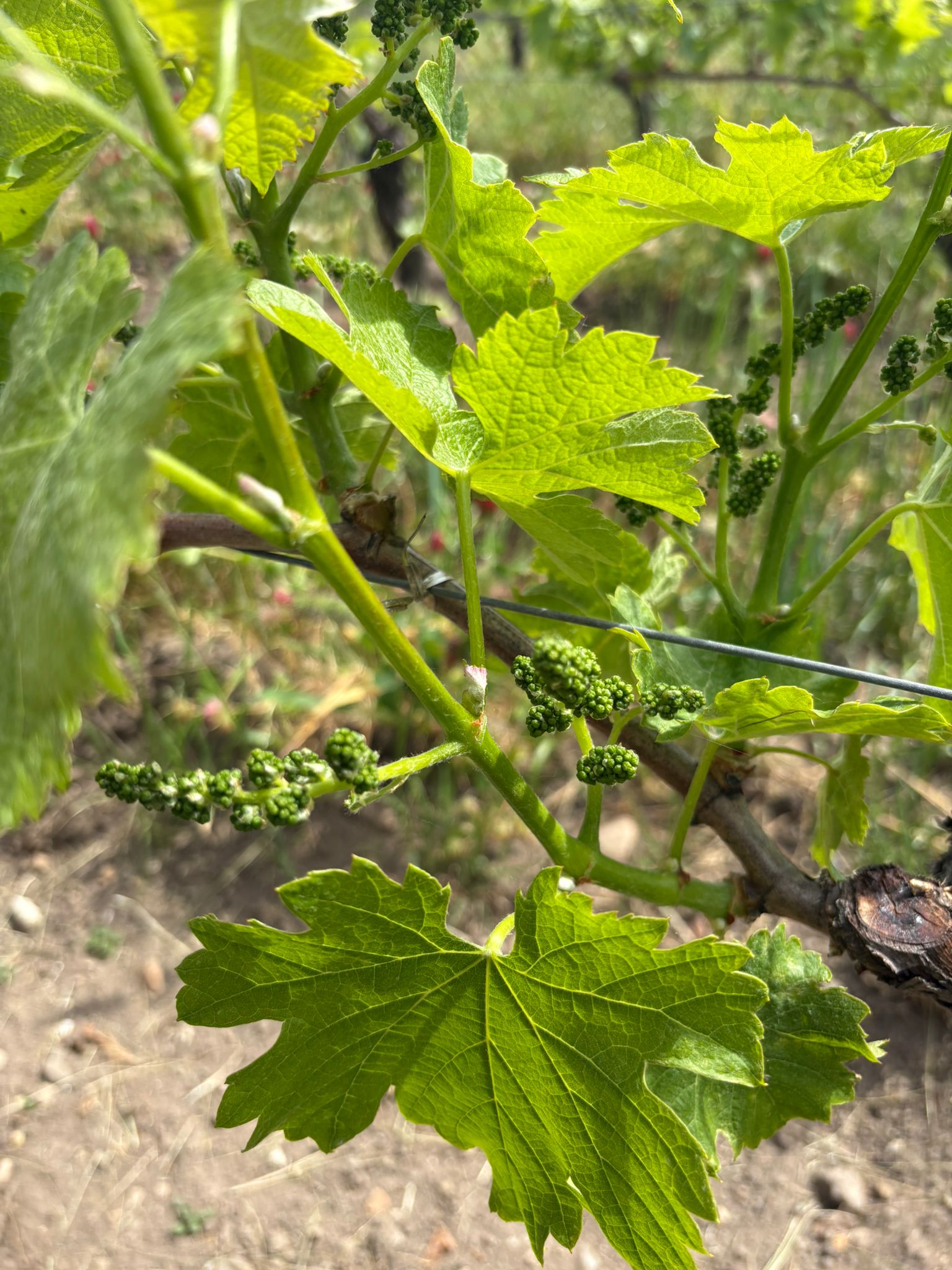
Three things to take from this report
1. A vintage shaped by extremes, defined by precision
The 2025 growing season was undeniably challenging, heat, drought and climatic pressure throughout, yet the outcome in the glass is remarkably composed. What stands out is not power, but control. Thanks to deep water reserves in Bordeaux’s soils and increasingly sophisticated vineyard management, the wines retain freshness, acidity and balance at lower alcohol levels than expected. This is a vintage where human intervention, timing, and understanding of terroir have been just as important as the weather itself.
2. A clear and accelerating stylistic shift
Bordeaux is no longer chasing extraction, weight and sheer scale. The direction is now firmly towards elegance, purity and drinkability. Terms like “infusion”, gentle extraction and precision winemaking are no longer niche, they are the norm. The 2025s embody this evolution perfectly: wines that are approachable early, with silky tannins and clarity of fruit, yet still possess the structure to age. Quite simply, Bordeaux is making more refined, more balanced wines than ever before.
3. A vintage of depth, quality and genuine buying appeal
From the very top estates through to the lesser-known names, the consistency and quality in 2025 is striking. The headline wines are exceptional, but what is equally important is the depth beneath them, with numerous wines offering outstanding value and immediate appeal. There is a real sense that this is a vintage to engage with, not just admire. The overriding message is clear: these are wines that invite drinking as much as collecting, and for many, this will be one of the most compelling en primeur campaigns in recent years.